
国王即位後、チャール国王の初めてのアメリカ訪問は、多くのアメリカ国民に感銘を与えたようです。上下両院での演説は単なる外交辞令ではなく、今の世界の諸々の課題に共に勇気を持って立ち向かおうとする気概やエスプリが込められていたのです。演説の途中、何度も議員らが敬意や感動、そして称賛の意を表すために立ち上がって拍手を送る姿がありました。
議員の総立ちにより演説は一時途絶えますが、その間議員らは、今混乱するアメリカの施政について、もう一人のキングに対する疑惑や反感を考えたに違いありません。このキングは、議会における演説では決して民主党議員から総立ちの賞賛を受けたことがなかったのです。共和党議員ですら総立ちになって拍手するのですから、キングは歯ぎしりをしたはずです。
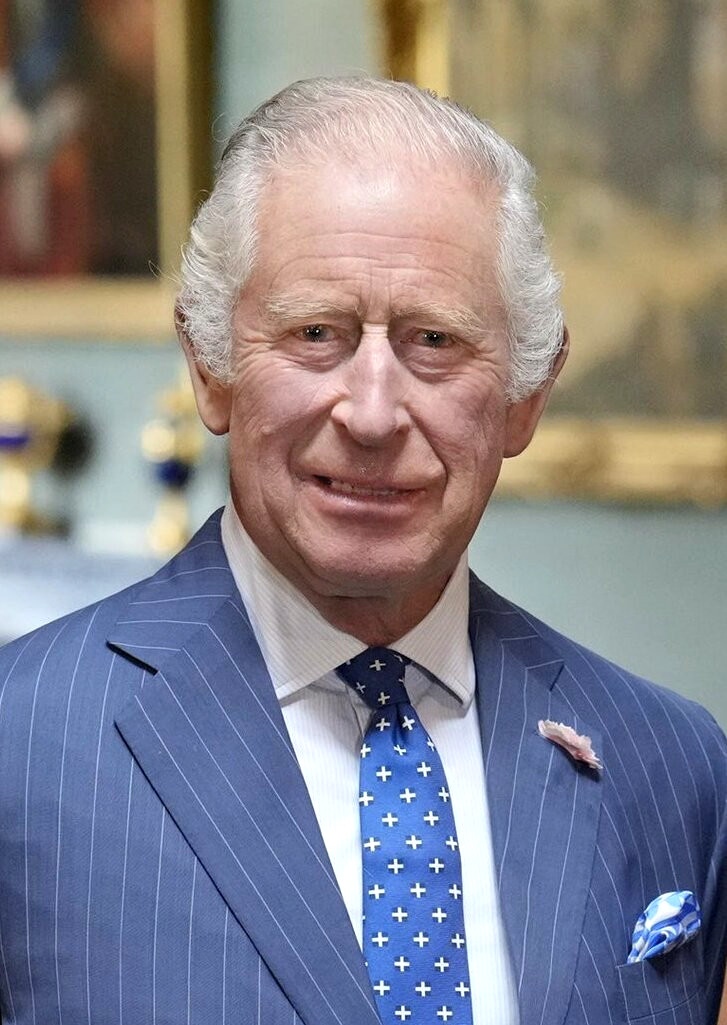
演説中、チャール国王はこのもう一人のキングの名前は出しませんでした。それが相手に対する国王としての矜持と礼儀だったからです。外交では批判する相手を名指しすることはありません。しかし、議員達は、チャール国王の演説の文脈に、数々の荒々しい発言を繰り返すもう一人のキング、ドナルド・トランプ大統領を容易に想像できたのです。
チャール国王の演説草稿は、もとはといえば歴史学者ともいえそうなスピーチライターが国王と相談して起草したものと思われます。聴衆の心に響くストーリーを構成し演出するため、過去のイギリスとアメリカの関係について考証し、事実に基づいて起草したことが伺えます。
歴史上、イギリスと植民地であったアメリカはいわば兄弟のような関係がありました。1760年代のイギリスはジョージ3世の施政下にありました。彼は絶対的な主権を維持し、植民地に対して一貫して強硬な為政をしいていきます。彼は、「植民地は本国に従属すべきもの」という信念を持っていました。植民地への「重商主義政策」と、それに伴う「課税強化」です。それに対して植民地側は和解の嘆願をを送ります。ジョージ3世はそれを拒絶し、彼らを「反逆者」と断定するのです。
1700年代のアメリカ大陸におけるイギリスとフランスの覇権争いは、「北米植民地戦争」と呼ばれます。ヨーロッパ本国での戦争と連動して何度も衝突を繰り返しましたが、最終的にはイギリスの圧倒的な勝利で幕を閉じました。ジョージ3世は対話よりも軍事力を優先し、ドイツから傭兵を雇い入れてまで植民地の施政に介入します。この強硬姿勢が、それまで国王個人を敬愛していた植民地の人々に「国王は暴君である」と認識させ、独立宣言へと突き動かす一因となっていきます。
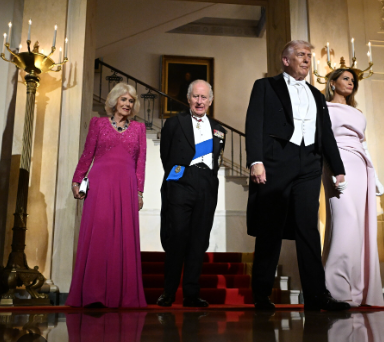
ホワイトハウスでの晩餐会で、二人のキングが交わしたウイットに富むジョークも話題となっています。それは、ダボス国際会議でトランプ大統領が、「第二次大戦で、アメリカがなかったならば、欧州諸国はドイツ語を使っていただろう」という演説に対するものでした。チャール国王はそれに言及して「あえて申し上げれば、イギリスがなかったならば、皆さんはフランス語を話していただろう」と植民地戦争で、フランスの影響力を払拭させたのを遠回しに言ったユーモアだったのです。
今回のチャールズ国王の訪米は、相手への節度ある賞賛を交えながら、イギリスの立場をしなやかに示した機会となったようです。それが議会での演説であり、晩餐会での答礼スピーチに示されています。
Two kings exchange jab of humor and satire.
King Charles’ first visit to the United States since his accession to the throne seems to have impressed many Americans. His speeches to both houses of Congress were not merely diplomatic formalities, but imbued with a spirit and determination to bravely confront the various challenges facing the world today. Throughout his speeches, members of Congress repeatedly rose to their feet and applauded, expressing their respect, admiration, and praise.
The speeches were temporarily interrupted by the standing ovations, during which the members of Congress must have been contemplating the current turmoil in American governance and their suspicions and resentment towards another king. This king had never received such a standing ovation from Democratic members of Congress during his speeches.Even Republican lawmakers rose to their feet and applauded, so he must have been gnashing his teeth.
During his speeches, King Charles did not mention the name of this other king. This was a matter of royal pride and courtesy. In diplomacy, one does not name the target of criticism. However, in the context of King Charles’ speeches, the members of Congress could easily imagine the other king, President Trump, who has made numerous harsh remarks.
King Charles’ speech draft was originally written in consultation with the king by a speechwriter who could be described as a historian. It appears that the speech was based on a thorough examination of past British-American relations, in order to construct and present a story that would resonate with the audience.
Historically, Britain and its colonies, America, had a relationship akin to brotherhood. In the 1760s, Britain was under the rule of George III. He maintained absolute sovereignty and consistently imposed a hardline policy on the colonies. He held the belief that “colonies should be subordinate to the mother country.” This manifested as “mercantilism” and the accompanying “increased taxation” of the colonies. The colonies sent petitions for reconciliation, but George III rejected them, declaring them “rebels.”
The struggle for hegemony between Britain and France in the Americas in the 1700s is known as the “North American Colonial Wars.” These conflicts, linked to wars in Europe, involved repeated clashes but ultimately ended in an overwhelming British victory. King George III prioritized military force over dialogue, even hiring mercenaries from Germany to intervene in colonial administration. This hardline stance led the colonists, who had previously revered the king personally, to perceive him as a tyrant, contributing to the Declaration of Independence.
A witty joke exchanged between the two kings at a White House dinner has become a topic of discussion. It was in response to President Trump’s speech at the Davos conference, where he stated that “if America hadn’t existed in World War II, European countries would have spoken German.” King Charles responded by saying, “If I may say so, if Britain hadn’t existed, you would all have spoken French,” a humorous indirect reference to Britain’s role in eliminating French influence during the colonial wars.
King Charles’s recent visit to the United States appears to have been an opportunity to subtly demonstrate Britain’s position while offering respectful praise to the other side. This is evident in his speeches to Parliament and his reciprocal speech at the dinner in the White House.